



Water isn’t just a resource. It’s a lifeline. And in industries like textiles, apparel, and footwear, it’s also one of the most used - and often wasted - resources. From textile dyeing to washing garments, water flows through every part of the production process. But with global water scarcity rising, the fashion industry is under pressure to clean up its act. That’s where GRI 303: Water and Effluents comes in.

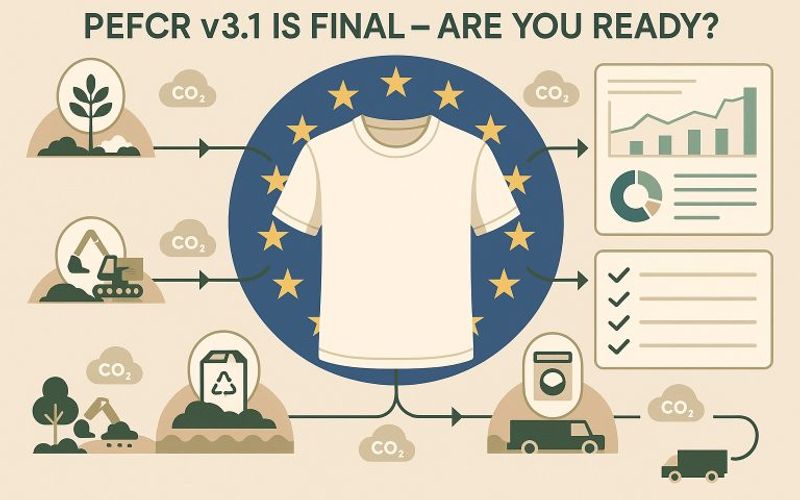
After five years of development, the Product Environmental Footprint Category Rules (PEFCR v3.1) for apparel and footwear are official. This is no longer a pilot - this is the standard.

As the EU tightens sustainability regulations across the fashion industry, the bar for environmental transparency is rising fast. The Product Environmental Footprint Category Rules (PEFCR v3.1) and the upcoming Ecodesign for Sustainable Products Regulation (ESPR) demand more than general claims—they require measurable, stage-specific carbon data.

Fashion brands selling in the EU must adopt Digital Product Passports (DPPs)—a new legal requirement under the Ecodesign for Sustainable Products Regulation (ESPR). The goal? Total product transparency. The pressure? Massive. But with the right systems in place, DPPs can move you from regulatory scramble to sustainability leadership.


Sustainability isn’t just a trend - it’s becoming law. The EU’s latest Product Environmental Footprint Category Rules (PEFCR) for apparel and footwear, published in April 2025, set a new standard for carbon accounting across the fashion industry. If your brand isn’t prepared to align with these rules, you risk falling behind.